


Dirty kitchen? Why it’s more desirable than you might think
A dirty kitchen might not sound like something anyone would aspire to but it’s become quite the trend for those lucky enough to have the space. Put simply, it’s a sort of ‘extra’ kitchen area where you can do all the prep and post-meal clean up while keeping your beautiful ‘main’ kitchen pristine.
Think less of a showroom and more a place where you can: fry anything that might offend polite company; chop like you’re on a cooking show or leave things to soak for longer than you should. Crucially, it’s where your design choices can be a little more forgiving.
The secret to a good dirty kitchen
Here’s where things get interesting. Because while your main kitchen might be all soft neutrals and aspirational minimalism, your dirty kitchen needs colours that can handle reality.
Dekton’s palette leans beautifully into natural, stone-inspired tones, meaning you can be strategic about hiding life’s little mishaps while still creating a space that feels considered.
Some colour ideas
Delightfully dark
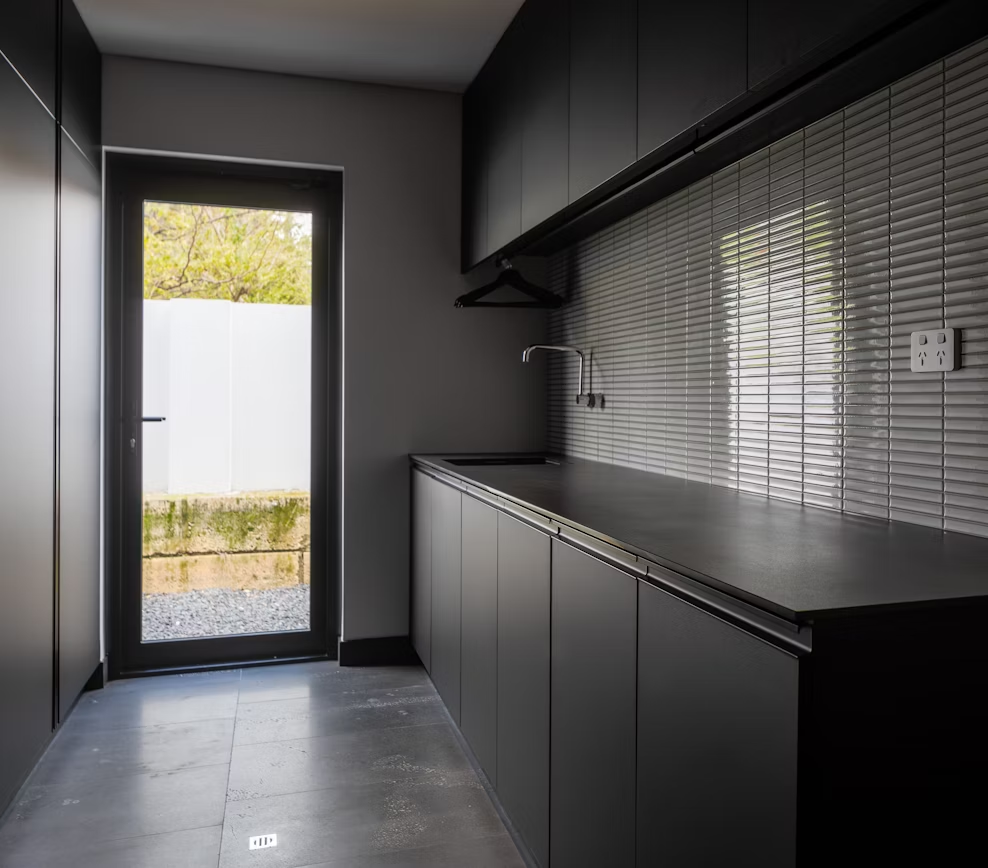
If your cooking style could be described as “enthusiastic but unpredictable,” darker shades are your best friend.
Think deep, dramatic tones like Domoos or Sirius, or something with a bit of movement like Laurent. Even charcoal greys such as Grafite or Kreta can work wonders.
These colours are brilliantly forgiving. Splash something? Spill coffee? It’s basically invisible now.
Lighter than light
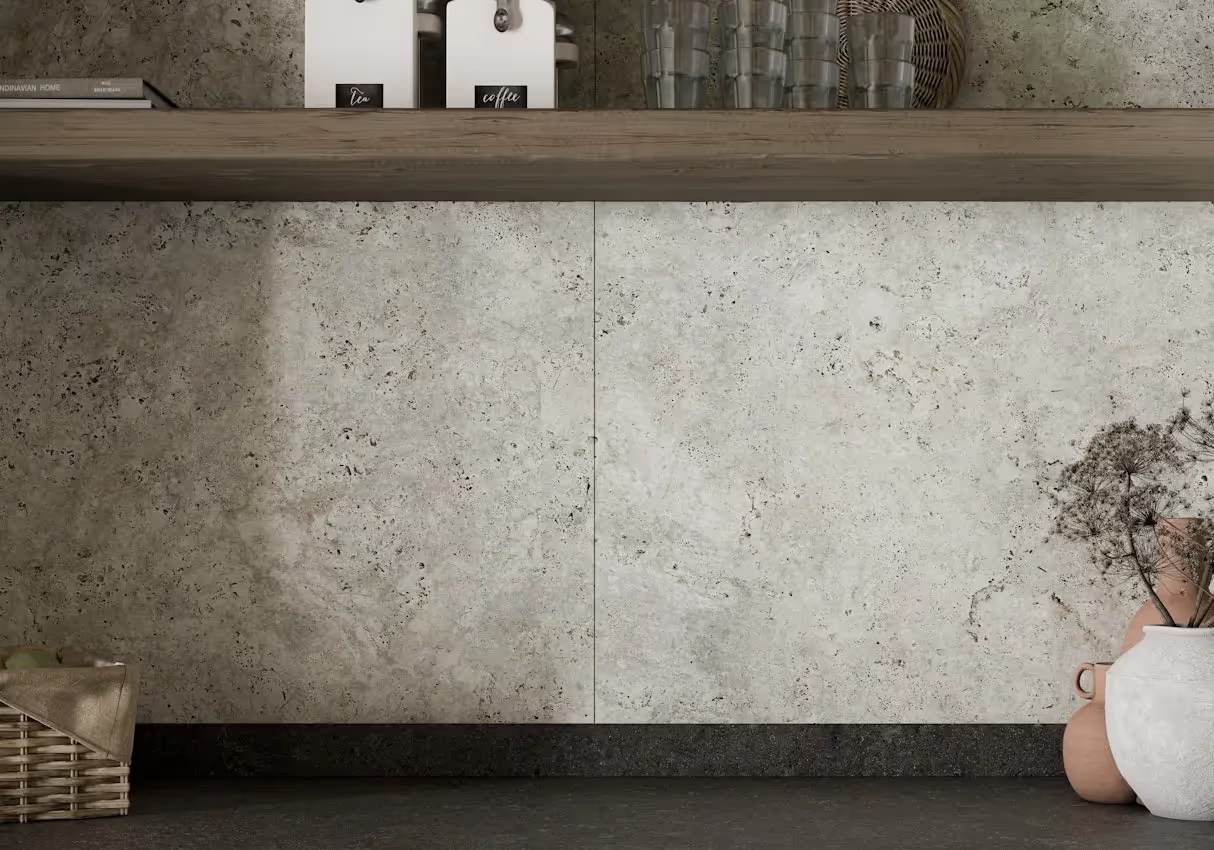
If you aspire to cleanliness (even if reality disagrees), lighter tones can still work, if you choose wisely.
Soft creams like Danae, Ava, or Nacre bring warmth without being too stark, while shades like Sabbia or Marmorio add a subtle earthiness that hides more than you’d expect. If you prefer something brighter, options like Aura or Entzo offer lighter surfaces with enough veining and movement to disguise everyday mess.
They reflect light, make smaller spaces feel bigger, and still give you a fighting chance when things get a bit… messy.
Industrial chic with grey
Grey is the ultimate middle ground: stylish enough to feel intentional, forgiving enough to survive daily life.
Concrete-inspired tones like Laos or Kreta lean into that modern industrial look, while cooler greys like Keon or Kovik keep things sleek and understated. If you want something softer, warmer greys such as Argentium strike a nice balance.
They hide crumbs, soften stains, and still look like you’ve made a deliberate design choice (even if it was mostly about damage control).
Design tips
Match the mood
Your dirty kitchen doesn’t need to match your main kitchen perfectly, it just needs to work. In fact, using darker or more textured colours here can create a nice contrast with a lighter, more polished main space.
Go seamless
Running the same colour across worktops and splashbacks makes cleaning easier and visually calms the space, especially helpful when everything else feels a bit busy.
Texture is your best friend
Highly polished, pristine finishes look great, until you actually use them but stone-effect or matte finishes help:
- Hide fingerprints
- Camouflage crumbs
- Soften the look of wear over time
The beauty of a dirty kitchen is that it lets your main kitchen stay flawless, while real life happens somewhere else.
And when you weave in the right colours, whether it’s a forgiving charcoal like Grafite, a warm neutral like Sabbia or a bold black like Laurent you’re not just designing a space. You’re designing a buffer between chaos and peace.
Because everyone deserves a kitchen that looks immaculate, even if there’s absolute chaos happening just behind the door.