


When you’re specifying surfaces for a project, Dekton is one of the most versatile materials you can choose – in large part thanks to the range of thicknesses it’s available in. Different thicknesses aren’t just about aesthetics; they influence where and how the slabs can be used, from elegant cladding and wall accents to heavy-duty worktops and commercial floors. Here’s a run-down of the options and how they perform in different applications.
4mm: ultra-thin and sleek
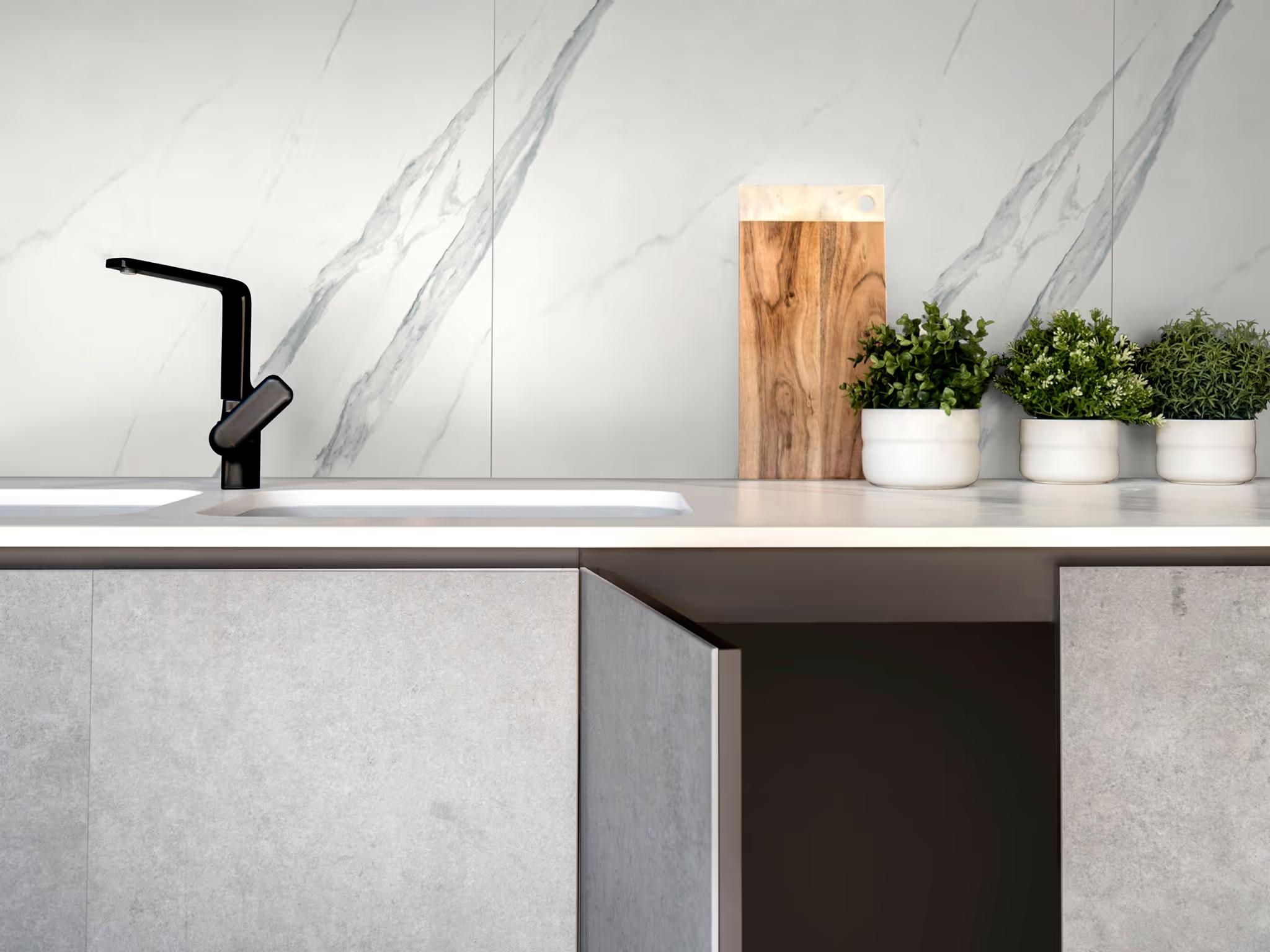
At the slimmest end of the spectrum, 4mm Dekton is ideal for vertical applications such as wall cladding, splashbacks, feature panels or furniture facings. Its minimal thickness gives a contemporary, seamless look while keeping weight and material usage down. Architects and designers often choose this profile where a sleek, refined aesthetic is key and where structural support for thicker slabs isn’t necessary.
8mm: wall panels, cladding and lightweight surfaces
Stepping up slightly, 8mm thickness strikes a sweet spot for more robust panels without appearing bulky. It’s commonly used for internal and external cladding, feature walls, and where a lighter surface makes installation easier. The added rigidity compared with 4mm helps in vertical scenarios and can even be used for backsplashes that need a bit more presence without the depth of a worktop.
12mm: balanced and versatile
12mm Dekton is one of the most popular thicknesses because it combines performance with a refined profile. It’s well-suited to horizontal surfaces like bathroom vanities, tabletops, bar counters and lighter work surface areas. This thickness is often chosen where you want a sophisticated slimline look that still handles everyday use with ease.
20mm: classic worktops and durable everyday use
For kitchen worktops, islands and other high-use horizontal surfaces, 20mm is the go-to choice. It’s thick and robust enough to withstand daily wear, heat, stains and impacts, while maintaining a premium appearance. This is often the recommended thickness for traditional countertops in residential kitchens.